10 Signs of Emotional Burnout in Women Over 40

Table of Contents
- What Emotional Burnout Actually Looks Like for Women Over 40
-
The 10 Signs of Emotional Burnout You Shouldn't Ignore
- 1. Wired and Tired: The Energy Paradox
- 2. Your Skin Is Breaking Out Like You're 16 Again
- 3. Brain Fog So Thick You Can't Remember Why You Walked Into a Room
- 4. Emotional Detachment From Things You Used to Love
- 5. Irritability That Surprises Even You
- 6. Physical Exhaustion That Sleep Doesn't Fix
- 7. Cynicism About Work, Family, or Both
- 8. You're Snapping at People You Care About
- 9. Everything Feels Heavy and Pointless
- 10. You've Lost Your Sense of Humour (Or It's Gone Dark)
- Emotional Exhaustion Symptoms in Women: The Burnout-Hormones Connection
- Burnout vs Stress: Why the Difference Matters
- How Long Does Burnout Last and When Does It Get Better
- Setting Boundaries When Overwhelmed: Your Burnout Recovery Plan
- Conclusion: You're Not Broken, You're Just Burning Out
- Frequently Asked Questions
Last Updated: 20 October 2026
What Emotional Burnout Actually Looks Like for Women Over 40
Burnout isn't just feeling tired. It's the exhaustion sleep doesn't fix, where your nervous system is wired and depleted at once and your brain feels packed in cotton wool.
At Dead Tired Club, we talk to women navigating this exact terrain.

The good news: recognising the 10 signs of emotional burnout in women over 40 is the first step toward actually doing something about it.
The 10 Signs of Emotional Burnout You Shouldn't Ignore
1. Wired and Tired: The Energy Paradox
You're exhausted, but your nervous system won't let you rest. Your mind races at 11pm, yet you wake at 5am feeling like you never slept.
Chronic stress keeps cortisol elevated when it should be dropping. You're not lazy or broken, your nervous system is just stuck in fight-or-flight with no off switch. You can lie in bed for eight hours and still feel like you've been awake the whole time.
2. Your Skin Is Breaking Out Like You're 16 Again
Perimenopause already makes breakouts more likely, oestrogen decline means more sebum and congestion. Layer burnout on top and your skin often gets worse: stress triggers inflammation and cortisol chaos, accelerating breakouts along your jawline and chin.

You're not imagining it, your skin is just responding to stress hormones. Dead Tired Club's Got Bumps? BHA Blemish Serum uses salicylic acid to work inside pores where congestion builds up.
3. Brain Fog So Thick You Can't Remember Why You Walked Into a Room
You walk into the kitchen and stand there blankly. You forget what you were about to say mid-sentence. You read the same email three times and still don't absorb it.
Chronic stress depletes your prefrontal cortex (memory and focus) while flooding your amygdala (your alarm system). Your brain can't prioritise memory and concentration when it's busy running a threat-detection program that never switches off.
4. Emotional Detachment From Things You Used to Love
Your hobbies feel flat. Going out with friends feels like a chore. Things that used to make you laugh barely register. This emotional numbing is a classic burnout sign, your nervous system protecting itself by shutting down non-essential responses.
You're not depressed (though burnout and depression can overlap). You're not ungrateful. You're just depleted enough that your brain has decided joy is a luxury it can't afford right now.
5. Irritability That Surprises Even You
You snap at your partner over nothing. Rage bubbles up at minor inconveniences. You're short with people you care about, then feel guilty. This irritability is a sign of emotional burnout in women over 40 that catches people off guard, you don't feel like an angry person, so why are you suddenly angry all the time?
Because your nervous system is exhausted and has no patience buffer left. Everything feels like a threat, and small things that would normally roll off your back feel like the final straw.
6. Physical Exhaustion That Sleep Doesn't Fix
You sleep eight hours and wake feeling like you haven't slept at all. Your body aches, your muscles feel heavy, and you're not recovering from exercise the way you used to.
Sleep helps, but what you actually need is to reduce the load on your nervous system. More sleep without addressing the underlying stress is like filling a bucket with a hole in the bottom.
7. Cynicism About Work, Family, or Both
You find yourself thinking dark thoughts about your job, your relationships, your life choices. Everything feels pointless. You're not being realistic, you're burned out. Cynicism is how burnout talks, and it's one of the clearest signs of emotional burnout in women over 40 that something needs to change.
8. You're Snapping at People You Care About
You're not a snappy person, but lately you've been biting people's heads off. Your kids, partner and friends are walking on eggshells. You have no emotional reserves left, so everyone else's needs feel like demands you can't meet.
9. Everything Feels Heavy and Pointless
You go through the motions. Work, home, repeat. Nothing feels meaningful, and even things you chose to do feel like obligations. This heaviness is emotional burnout's signature feeling, like moving through life underwater.
10. You've Lost Your Sense of Humour (Or It's Gone Dark)
You used to laugh easily. Now your humour is gone or turned dark and cynical, and you're not finding joy in things that used to make you smile. This loss of lightness is a sign of emotional burnout in women over 40 that often goes unnoticed because it's subtle, but it's real.
Emotional Exhaustion Symptoms in Women: The Burnout-Hormones Connection
Emotional exhaustion in women looks different than in men, partly because of hormones. Perimenopause amplifies burnout symptoms: fluctuating oestrogen and progesterone affect mood, sleep and stress resilience. Layer chronic stress on top and emotional exhaustion becomes deeper and more persistent.
Your skin often shows this first. Using something like Got Bags? Peptide Firming Under Eye Cream treats under-eye hollowing (which oestrogen decline accelerates) and carves out five minutes just for you.
| Sign | What It Feels Like | Why It Happens |
|---|---|---|
| Wired and tired | Can't sleep despite exhaustion | Elevated cortisol, nervous system stuck in overdrive |
| Brain fog | Can't remember or focus | Prefrontal cortex depleted by chronic stress |
| Emotional numbness | Nothing feels fun or meaningful | Nervous system shutting down to conserve energy |
| Physical exhaustion | Body feels heavy, aches persist | Stress hormones depleting physical reserves |
| Irritability | Snapping at small things | No emotional buffer left, everything feels like a threat |
Burnout vs Stress: Why the Difference Matters
Stress is your response to pressure. Burnout is what happens when that stress never stops. You can be stressed about a deadline and feel fine once it passes.
Burnout also involves emotional exhaustion in a way regular stress doesn't. You're not just tired, you're tired of trying, tired of caring, tired of being the person everyone relies on.
The solutions differ too. Stress management (breathing exercises, time off, exercise) helps with stress. Burnout requires actually changing your circumstances: setting boundaries, reducing your load, and stopping saying yes to things you don't have capacity for.
How Long Does Burnout Last and When Does It Get Better
There's no fixed timeline. Some women start feeling better within weeks of recognising the signs of emotional burnout and making changes; for others it takes months. It depends on how deep the burnout goes and how much you actually change.
The important thing: burnout doesn't resolve on its own, and you can't rest your way out of it. You have to change something, whether that's boundaries at work, stepping back from commitments, difficult family conversations, or deciding your wellbeing is non-negotiable.
Setting Boundaries When Overwhelmed: Your Burnout Recovery Plan
Boundaries are the antidote to burnout. Not rest. Not self-care rituals.
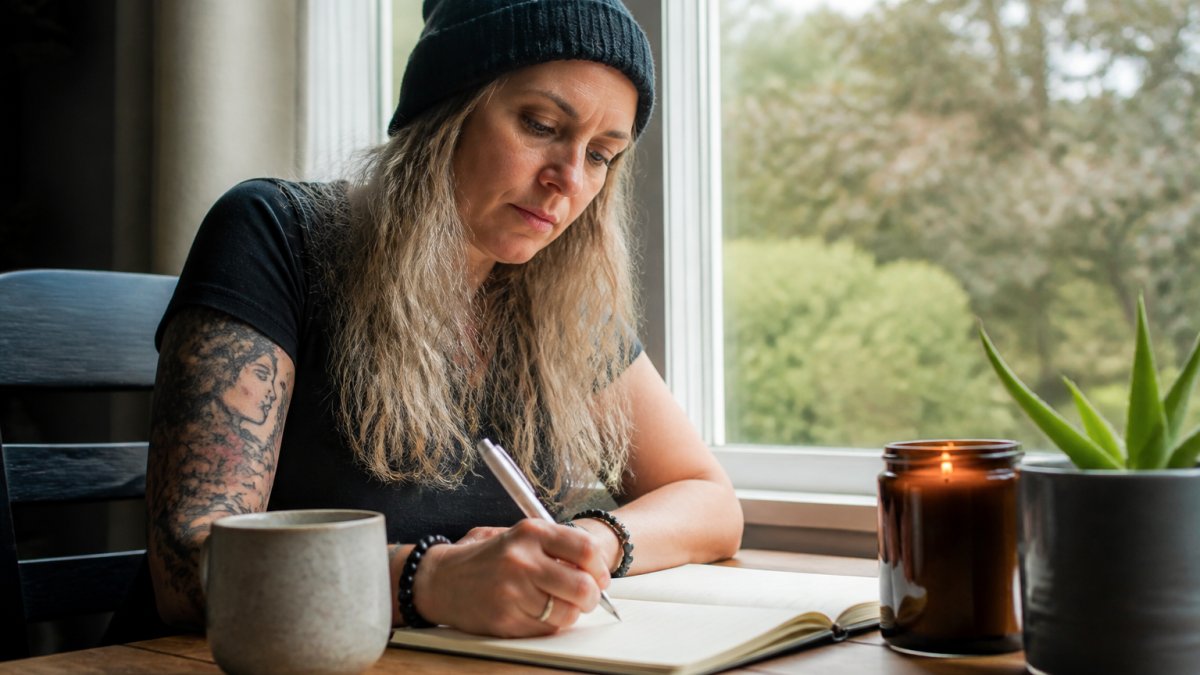
Start small. Pick one area where you're saying yes when you want to say no, or carrying something that isn't your responsibility. That's your first boundary.
Maybe it's not cooking dinner on Wednesdays, stopping the 7pm email check, saying no to the volunteer role you never wanted, or leaving work at 5pm instead of 6.
Self-Care Strategies That Actually Stick
Self-care during burnout isn't bubble baths and meditation apps.
Sleep comes first, everything else is harder without it.
Movement matters more than you think. Burnout floods your body with stress hormones, and movement metabolises them.
Eating regularly stabilises cortisol and blood sugar, which makes everything feel more manageable.
Time that's actually yours, not doing something for someone else or something you "should" be doing, is non-negotiable.
Why Skincare Confidence Matters When You're Burned Out
When you're burned out, your skin reflects it. Breakouts, dullness, sensitivity, dark circles, these aren't vanity concerns.
Using skincare that actually works, products that address hormonal breakouts, support firmness as oestrogen declines, and make under-eyes look less hollow, isn't frivolous. It's a small act of reclaiming yourself.
[Dead Tired Club's Got Lines? Copper Peptide Anti-Ageing Serum uses GHK-Cu (copper tripeptide), a peptide-copper complex that supports your skin's own collagen and elastin](https://shop.deadtired.club/products/got-lines-copper-peptide-anti-ageing-serum) production.

The other part is permission. Permission to care about how you look, to spend money on products that make you feel good, to take five minutes for yourself without guilt. Burnout comes with a voice telling you self-care is selfish or frivolous. It's not. It's survival.
Conclusion: You're Not Broken, You're Just Burning Out
The 10 signs of emotional burnout in women over 40 aren't character flaws. They're not signs you're weak, ungrateful or doing life wrong.
Burnout is fixable, just not by pushing harder or being more disciplined.
If symptoms are hitting you hard, it's always smart to speak to an expert via our friends at UnPause.com.au. Dead Tired Club does not provide medical advice.
The Dead Tired Club Cord Cap and Beanie exist for mornings when you can't face the whole outfit thing. The Got Bumps? BHA Blemish Serum exists for the hormonal breakouts nobody warned you about. The Got Bags? and Got Lines? serums exist because your skin deserves care even when you're barely holding it together.
Frequently Asked Questions
What are the main signs of emotional burnout in women over 40?
Emotional burnout in women over 40 often shows up as exhaustion that sleep doesn't fix, brain fog, irritability, detachment from things you love, and physical symptoms like hormonal breakouts. You might feel wired yet tired simultaneously, cynical about work or relationships, and emotionally flat. The tricky part: it sneaks up on you because you're used to pushing through. Your body's finally saying enough.
How is emotional burnout different from ordinary tiredness?
Ordinary tiredness improves with rest. Burnout doesn't. With burnout, you feel emotionally drained and cynical, not just physically exhausted. You've lost enthusiasm for things that mattered, concentration suffers, and irritability spikes. Tiredness is your body asking for sleep; burnout is your entire system saying the load is unsustainable. It's the difference between needing a nap and needing to overhaul your life.
Can hormonal changes in midlife affect emotional exhaustion symptoms in women?
Absolutely. Declining oestrogen in perimenopause amplifies stress responses, disrupts sleep, and affects mood regulation. This makes emotional burnout hit harder and last longer in your 40s and 50s. Your hormones are already shifting your nervous system; add work stress, family demands, and perfectionism on top, and burnout becomes inevitable. It's not weakness; it's biology colliding with circumstance. Skincare confidence can help you reclaim some control when hormones feel chaotic.
How long does burnout typically last, and when should I seek help?
Burnout duration varies widely, weeks to months, sometimes longer if untouched. Recovery depends on whether you address the root cause and set boundaries. If you're experiencing persistent exhaustion, hopelessness, or thoughts of harming yourself, speak to an expert via our friends at UnPause.com.au. If symptoms are hitting you hard, it's always smart to speak to an expert. Dead Tired Club does not provide medical advice.
What practical steps can I take for setting boundaries when overwhelmed?
Start small: say no to one non-essential commitment this week. Set a hard stop time for work emails. Protect sleep like it's sacred. Tell someone close to you that you're struggling, isolation makes burnout worse. Invest in small confidence boosters, like skincare that actually works (hormonal breakouts don't help when you're already depleted). Wear your Dead Tired Club beanie on days you can't be bothered with your appearance. Boundaries aren't selfish; they're survival.
If symptoms are hitting you hard, it's always smart to speak to an expert via our friends at UnPause.com.au. Dead Tired Club does not provide medical advice.