Second Puberty Treatments: A 2026 Guide

Table of Contents
- What Is Second Puberty and Why Is It Happening Now?
- Understanding Perimenopause Skin Changes
- Building a Perimenopause Skincare Routine That Actually Works
- Managing Perimenopause Fatigue and Brain Fog
- Reclaiming Confidence During Second Puberty
- When to Seek Support
- Conclusion
- Frequently Asked Questions
Last Updated: October 5, 2026
What Is Second Puberty and Why Is It Happening Now?
Second puberty is what happens when your hormones decide to throw a full-blown tantrum in your 40s and 50s. Your oestrogen levels start dropping, your skin erupts like you're 15 again, you're exhausted but wired at the same time, and nobody warned you this was coming. It's perimenopause, and it's absolutely real.
The thing nobody tells you about second puberty is that it's not actually a medical term, it's what we call it at Dead Tired Club because it feels like your body is rewriting all the rules you thought you'd mastered decades ago. Your hormones are shifting, and your skin, energy, mood, and confidence are all caught in the crossfire.
This happens because oestrogen levels begin declining during perimenopause, typically in your 40s. That drop affects everything: your skin barrier weakens, your sebaceous glands get confused, breakouts show up on your chin and jawline, and your circadian rhythm gets absolutely mangled. Add brain fog and exhaustion to the mix, and you're basically running on fumes while your face is staging a rebellion.
The good news? You're not broken. Your skin isn't broken. Your body is just doing what bodies do at this stage of life. And there are genuinely effective second puberty treatments that don't involve pretending you're still 25 or buying into wellness nonsense that costs a fortune and delivers nothing.
Understanding Perimenopause Skin Changes
Your skin is having a full identity crisis right now, and there's a reason. During perimenopause, fluctuating oestrogen levels mess with your skin barrier, increase oil production in some areas, and create the perfect storm for congestion and breakouts.
The perimenopause skin changes you're experiencing aren't random. Oestrogen helps regulate sebum production and keeps your skin barrier strong. When oestrogen drops, your skin gets confused. It overproduces oil in some spots (hello, forehead and chin) while becoming dehydrated in others. This creates congestion, inflammation, and breakouts that feel deeply unfair because you spent your 20s dealing with acne and thought you were done.
Most people assume hormonal breakouts will respond to the same treatments that worked in their teens. They don't. Your skin is different now. It's more sensitive, more reactive, and it needs targeted support that actually addresses what's happening underneath.
Common perimenopause skin changes include:
- Jawline and chin congestion (the classic hormonal breakout zone)
- Increased sensitivity and redness
- Dehydration alongside oily patches
- Texture changes and roughness
- Loss of elasticity and firmness
- Increased appearance of fine lines
The breakouts aren't your fault. Your skincare routine from last year isn't suddenly useless. Your skin just needs different support during this phase, and that's completely normal.
Building a Perimenopause Skincare Routine That Actually Works
A perimenopause skincare routine isn't complicated, but it needs to be deliberate. You're not trying to overhaul your entire face. You're supporting your skin through hormonal shifts with ingredients that actually work.
Start with the basics: cleanse, treat, protect
Your foundation matters more than fancy extras. A solid routine has three non-negotiable steps: cleanse, treat, protect.
Cleanse properly. Use a gentle cleanser twice daily that removes oil and debris without stripping your skin. Avoid over-cleansing, it makes congestion worse by triggering more oil production.
Treat with targeted ingredients. This is where you address the specific problems perimenopause is causing. If you're dealing with congestion and breakouts, you need something that works inside the pore, not just on the surface.
Protect with SPF. Your skin is more sensitive during perimenopause, and sun damage accelerates fine lines. SPF is non-negotiable, every single day.
Targeted ingredients for hormonal breakouts
When hormonal breakouts hit, you need ingredients with actual evidence behind them. Salicylic acid is the gold standard for congestion because it's oil-soluble, it gets inside the pore to loosen the build-up, rather than just exfoliating the surface.
Salicylic acid (BHA) works by dissolving the sebum and dead skin cells clogging your pores. It's particularly effective for jawline and chin congestion because it penetrates deeply. Start with a lower concentration (0.5-2%) and use it once daily, building up to twice daily if your skin tolerates it well.
Dead Tired Club's Got Bumps? BHA Blemish Serum is specifically formulated for second puberty breakouts. It contains salicylic acid alongside soothing ingredients like beta-glucan and aloe, so you're treating congestion without creating irritation. One pump on clean skin, once daily (or every second day if you're new to BHAs), and you'll start seeing clearer skin within 4-6 weeks.

Other helpful ingredients include:
- Niacinamide, reduces sebum production and strengthens your skin barrier
- Azelaic acid, tackles both breakouts and redness
- Zinc, calms inflammation and reduces sebum
- Hyaluronic acid, hydrates without clogging pores
The key is consistency. Hormonal breakouts don't clear overnight, but with the right targeted treatment, you'll see real improvement within a month.
Managing Perimenopause Fatigue and Brain Fog
Brain fog and exhaustion are the unglamorous side of second puberty that nobody talks about until you're living it. You're not lazy. You're not losing your mind. Your hormones are tanking, and that has real consequences for your energy and cognitive function.
Perimenopause fatigue and brain fog happen because oestrogen influences neurotransmitters like serotonin and dopamine, which regulate mood, focus, and energy. When oestrogen drops, so do those neurotransmitters. Add irregular sleep (thanks, night sweats) and the constant low-level stress of managing a shifting body, and you're running on empty.
Generic wellness advice won't cut it here. You need practical strategies that actually work when you're exhausted:
- Sleep hygiene matters more than ever. Keep your bedroom cool, avoid screens an hour before bed, and stick to a consistent sleep schedule even on weekends.
- Move your body daily. You don't need intense exercise, a 20-minute walk, gentle yoga, or dancing to music you love makes a real difference to energy and mood.
- Eat regularly. Skipping meals tanks your blood sugar and makes brain fog worse. Aim for balanced meals with protein, healthy fats, and carbs.
- Hydrate properly. Dehydration masquerades as fatigue and brain fog. Drink water consistently throughout the day.
- Limit caffeine after 2 PM. It feels like it helps, but it's wrecking your sleep quality and making the exhaustion worse.
The confidence piece matters too. When you're exhausted and your skin is breaking out, you feel less like yourself. That's where skincare comes in, taking five minutes to care for your skin, even when you're knackered, is a small act of self-respect. It reminds you that you're still here, still worth the effort.
Reclaiming Confidence During Second Puberty
Here's what they don't tell you: the physical changes of second puberty are real, but the confidence hit is where the actual damage happens. You look in the mirror and don't recognise yourself. Your skin is rebelling. You're exhausted. And somewhere along the way, you've started believing you're supposed to just accept this and fade into the background.
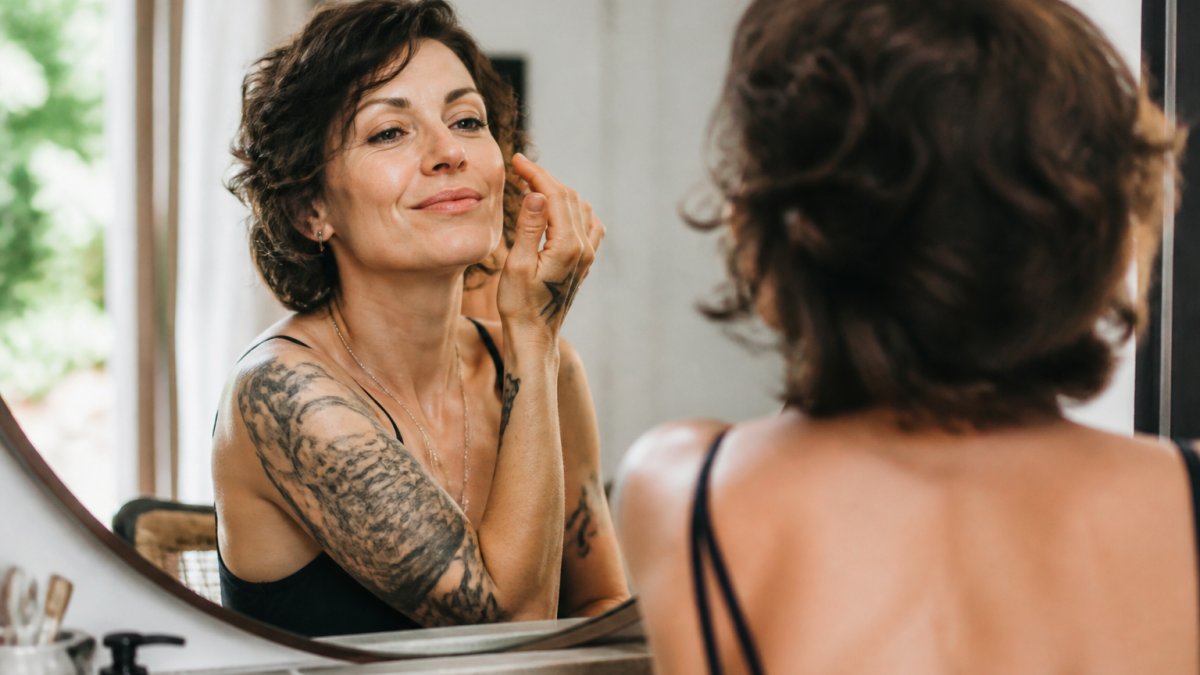
That's not how this works.
Confidence during second puberty isn't about pretending the changes aren't happening. It's about acknowledging them, addressing them where you can, and refusing to shrink yourself because your body is doing something completely normal.
Your skin breaking out doesn't make you less attractive. Your exhaustion doesn't make you less capable. Your body changing doesn't make you less worthy of taking up space and living loudly.
Start small. Take care of your skin because it feels good, not because you're trying to look 25. Wear clothes that make you feel like yourself. Move your body in ways that feel joyful. Sleep when you're tired. Say no to things that drain you.
The women who navigate second puberty best aren't the ones who pretend it's not happening. They're the ones who get angry about it, laugh about it, treat it pragmatically, and keep living their lives anyway. They use targeted skincare, they move their bodies, they sleep when they can, and they refuse to apologise for taking up space.
That's the Dead Tired Club way. You're not dying. You're not broken. You're just at a different chapter, and this chapter can still be brilliant.
When to Seek Support
Most second puberty treatments and symptom management work brilliantly with skincare, sleep, and movement. But there's a line between "this is annoying" and "this is affecting my quality of life," and knowing where that line is matters.
You should talk to a healthcare professional if:
- Your breakouts are severe, painful, or leaving scars
- Your fatigue is so intense you can't function in daily life
- Your brain fog is affecting your work or relationships
- Your mood changes are significant or you're experiencing depression
- Your sleep is completely disrupted night after night
- You're experiencing symptoms that worry you
This isn't weakness. It's pragmatism. Some symptoms respond beautifully to skincare and lifestyle changes. Others need professional support, and that's completely okay.
Conclusion
Second puberty is real, it's frustrating, and it's absolutely manageable. You don't need to accept breakouts, exhaustion, and brain fog as the price of getting older. You need targeted skincare, consistent sleep, movement that feels good, and the confidence to keep living your life exactly as loudly as you want to.
Start with your skincare. Get Dead Tired Club's Got Bumps? BHA Blemish Serum into your routine and give it four weeks. Sleep when you can. Move your body. And remember: you've survived everything else life has thrown at you. Second puberty is just another chapter, and you're going to be brilliant at it.
Frequently Asked Questions
What does 'second puberty' mean in perimenopause?
Second puberty refers to the physical and hormonal shifts women experience during perimenopause, typically in their 40s and 50s. Falling oestrogen levels trigger changes similar to puberty: breakouts along the jawline and chin, mood swings, body changes, and exhaustion. It's not actually puberty, but the comparison captures how disorienting these changes feel when you thought you were done with all this decades ago.
How can I manage perimenopause fatigue and brain fog?
Generic wellness foundations help: prioritise sleep, move your body regularly, eat balanced meals, and stay hydrated. Brain fog and fatigue often improve when you address sleep quality and stress. Skincare and self-care rituals, like a proper routine, also boost confidence and mental clarity. If fatigue is severe or persistent, speak to a health professional to rule out other factors.
Can skincare help with perimenopause-related skin changes?
Absolutely. Hormonal breakouts respond well to targeted skincare. Salicylic acid (a beta hydroxy acid) works inside the pore to clear congestion and oil build-up, addressing the root of hormonal breakouts rather than just the surface. A consistent routine with the right actives, plus sun protection and hydration, helps manage the skin chaos that comes with shifting oestrogen levels.
How long does second puberty last?
Perimenopause typically lasts 4-10 years, though the timeline varies widely. Some women experience intense symptoms for a shorter period; others have a longer transition. Symptoms don't all arrive at once or leave at once, they shift and evolve. Tracking your own patterns helps you understand what's normal for your body.
If symptoms are hitting you hard, it's always smart to speak to an expert via our friends at UnPause.com.au. Dead Tired Club does not provide medical advice.
Join Dead Tired Club. Get products designed for women navigating perimenopause without the wellness fluff. Because you've earned the right to feel good in your own skin, even when everything else is shifting.